
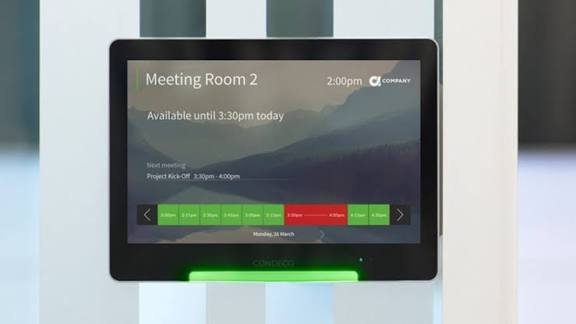
Two of the most persistent frustrations in shared meeting space management, double bookings and rooms sitting empty despite showing as reserved, both stem from fundamentally solvable coordination problems that modern booking technology directly addresses.
Understanding Why Double Bookings Happen
Double bookings typically occur when organizations rely on disconnected or manually updated scheduling methods, where changes made through one channel, whether a shared calendar or a physical sign-up sheet, don’t reliably synchronize with however else employees might be checking room availability, creating exactly the kind of conflict a proper room booking system is designed to prevent through centralized, real-time booking management.
How Centralized Systems Prevent Scheduling Conflicts
By maintaining a single, authoritative source of truth for room availability that updates instantly whenever a booking is made or cancelled, centralized booking systems eliminate the synchronization gaps that allow double bookings to occur in more fragmented, manually managed scheduling approaches.
The Persistent Problem of Reserved-But-Empty Rooms
Almost as frustrating as double bookings, rooms that show as reserved but sit completely empty, whether because a meeting was cancelled without updating the booking or attendees simply never arrived, waste valuable space that other employees could have otherwise used for their own meetings.
Automated Check-In Requirements Addressing No-Shows
Many modern booking systems address the no-show problem through automated check-in requirements, where a reservation automatically releases if attendees don’t confirm their presence within a defined window after the meeting’s scheduled start time, freeing the room for other use.
Sending Automated Reminders to Reduce Forgotten Bookings
Automated reminder notifications sent before scheduled meetings help reduce the incidence of forgotten bookings, giving employees an opportunity to cancel reservations they no longer need well before the meeting time arrives, rather than the room simply sitting unused without any advance notice.
See also: How to Start a Business in 5 Simple Steps?
Providing Clear Visibility Into Actual Room Status
Beyond preventing double bookings and reducing no-shows, providing clear, easily visible information about actual current room status, whether through digital displays outside meeting rooms or easily accessible mobile information, helps employees quickly identify genuinely available space even amid a busy schedule.
Building Accountability Through Usage Tracking
Some organizations find that the visibility booking systems provide into actual room usage patterns creates a natural accountability effect, as employees become more conscious of promptly cancelling bookings they no longer need once they understand this information is being tracked.
Measuring the Impact of These Improvements
Organizations implementing these smart booking features typically see measurable improvements in room availability and reduced scheduling conflicts, providing concrete evidence of how directly addressing these specific pain points delivers genuine operational value.
Conclusion
Double bookings and reserved-but-empty rooms represent solvable coordination problems that smart room booking technology directly addresses through centralized scheduling, automated check-in requirements, and clear visibility into actual room status. Implementing these features delivers measurable improvements in how effectively organizations use their shared meeting space.
FAQs
Q1: What causes double bookings in traditional room scheduling methods? Double bookings typically occur when organizations rely on disconnected or manually updated scheduling methods where changes don’t reliably synchronize across however employees are checking availability.
Q2: How do automated check-in requirements help reduce no-shows? Reservations automatically release if attendees don’t confirm their presence within a defined window after the scheduled start time, freeing the room for others to use.
Q3: Can booking system visibility actually change employee behavior? Some organizations find that visibility into usage patterns creates a natural accountability effect, with employees becoming more conscious of promptly cancelling bookings they no longer need.