Few medical procedures generate as much anxiety among patients as a colonoscopy, largely due to misconceptions about discomfort and the preparation process. Understanding what the procedure actually involves can help ease much of that apprehension.
Why the Procedure Is Recommended
Doctors typically recommend this procedure either as a routine screening measure for colorectal cancer, starting at a certain age, or to investigate specific symptoms such as unexplained abdominal pain, changes in bowel habits, or blood in stool. Screening procedures play a significant role in catching abnormalities early, often before symptoms even appear.
Preparing for the Procedure
Preparation typically involves following a specific diet in the days leading up to the procedure, along with a bowel-cleansing regimen the night before and morning of the appointment. While often described as the least pleasant part of the process, thorough preparation is essential for ensuring the physician has a clear view during the examination.
What Happens During the Procedure
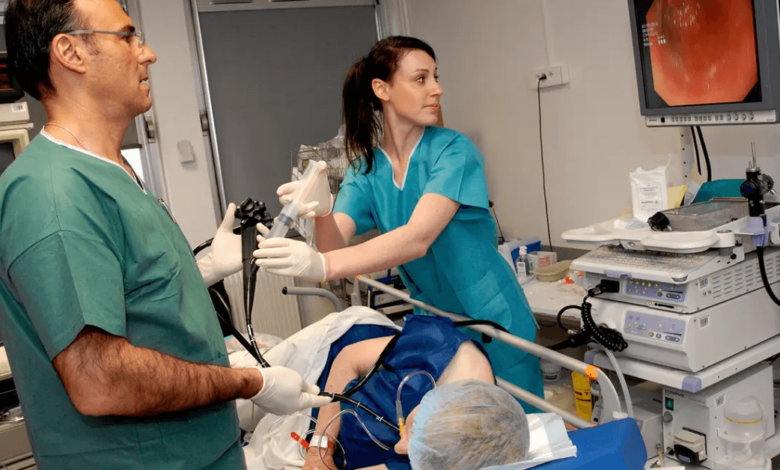
Patients are typically sedated for the procedure, meaning most people experience little to no discomfort and often have limited memory of the examination itself afterward. A thin, flexible scope with a camera attached allows the physician to examine the entire length of the colon, identifying and, in many cases, immediately removing any polyps discovered during the exam.
Recovery and Aftercare
Recovery is generally quick, with most patients able to resume normal activities within a day, though driving is not permitted immediately after the procedure due to the sedation used. Mild bloating or cramping in the hours following the exam is common and typically resolves on its own.
Understanding Results
If polyps are removed during the procedure, they are typically sent for laboratory analysis, with results usually available within a week or two. Physicians will discuss findings and, if necessary, recommend a timeline for follow-up screening based on what was discovered.
See also: The Do’s and Don’ts of Interactive Screens in Healthcare Facilities
Choosing Where to Have the Procedure Done
Given the importance of thorough examination and experienced handling of any findings, choosing a reputable facility matters considerably. Patients researching options can review details about colonoscopy procedures to better understand what preparation and aftercare typically involve at a given facility.
Addressing Common Fears
Much of the anxiety surrounding this procedure stems from outdated perceptions of discomfort that don’t reflect modern sedation practices. Speaking directly with the medical team beforehand about any specific concerns can help address individual worries and make the entire process feel considerably more manageable.
Frequently Asked Questions
At what age should routine screening typically begin? Guidelines vary by region and individual risk factors, so it’s best to discuss personal screening timelines directly with a physician based on family history and other risk considerations.
Is the procedure painful? Most patients are sedated throughout the procedure and report little to no discomfort, with many having limited memory of the exam itself afterward.
How soon are results available after the procedure? Initial findings are often discussed immediately after the procedure, while laboratory results from any removed tissue typically take one to two weeks.
Final Thoughts
Understanding what a colonoscopy actually involves, from preparation through recovery, can significantly reduce the anxiety many patients feel beforehand. Choosing an experienced facility and openly discussing concerns with the care team makes the entire process considerably more manageable.